
The History Behind Palm Angels and Its Celebrated Aesthetic
Few fashion brands have grown as meteoritically and as memorably as Palm Angels, the Italian designer streetwear label that morphed a photography project about Los Angeles skateboarders into a planetary fashion force. Founded by Francesco Ragazzi, the brand launched in 2015 and within a decade has matured into one of the most acclaimed names at the meeting point of high fashion and street culture. Palm Angels generates estimated annual revenues exceeding $100 million, carries its collections in over 300 retail locations across more than 50 countries, and commands a passionate following reaching professional athletes, musicians, and sartorially minded consumers worldwide. This article documents the evolution from early days through landmark moments, visual evolution, and cultural reach, examining the decisions and influences that shaped an aesthetic millions now recognize at a glance.
Beginnings: From Photography Book to Fashion Powerhouse
The Palm Angels saga begins not in a design studio but behind a camera lens. Francesco Ragazzi, working as Moncler’s art director at the time, formed a obsession with Los Angeles skateboarding culture during California visits in the early 2010s. He spent years capturing skaters in Venice Beach, Hollywood, and surrounding neighborhoods, preserving the gritty aesthetics, attitudes, and style of a subculture placing self-expression above all else. These photographs resulted in a book titled “Palm Angels,” published in 2014 by esteemed art publisher Rizzoli, receiving industry acclaim for its immersive portrayal of skate culture through an outsider’s reverent eye. The book’s reception showed considerable audience hunger for skateboarding’s visual language transformed into a polished context—a market white space with obvious commercial potential. palm angels logo sweater In 2015, Ragazzi launched Palm Angels as a clothing line, debuting to immediate industry attention and consumer demand. The transition from photographer to designer was reinforced by his years at Moncler, which had afforded him deep understanding of luxury production, brand building, and the fashion calendar.
The Founding Philosophy: Skate Culture Meets Italian Luxury
What makes unique Palm Angels from both standard streetwear and traditional luxury houses is Ragazzi’s calculated fusion of two superficially clashing worlds. On one side stands Italian fashion heritage—painstaking craftsmanship, superior materials, structured design, and centuries of sartorial heritage. On the other stands LA skate culture—chaotic, DIY, anti-establishment, defined by an aesthetic welcoming imperfection, vivid graphics, and clothing meant to be pushed hard. Ragazzi’s breakthrough was understanding a shared value: authenticity. Italian artisans take sincere pride in craft, skaters take heartfelt pride in culture, and both communities shun pretension reflexively. Palm Angels embodies this by offering garments assembled with Italian-level quality—perfect seams, top-grade fabrics, detailed detailing—while displaying the visual DNA of skate culture through graphics, proportions, and attitude. This dual identity has turned out to be exceptionally resilient because it goes beyond trend cycles; the tension between elegance and subversion is perpetual. As Ragazzi has stated in interviews, Palm Angels is not a skate brand and not a luxury brand—it is both at once, and that is its defining strength.
Major Milestones in Palm Angels’ History
| Year | Milestone | Importance |
|---|---|---|
| 2014 | Publication of “Palm Angels” photo book by Rizzoli | Set Ragazzi’s creative vision and generated industry buzz |
| 2015 | Launch of Palm Angels clothing line | First collection stocked by major retailers worldwide |
| 2018 | First runway show at Milan Fashion Week | Upgraded brand from streetwear label to established fashion house |
| 2019 | New Guards Group acquires majority stake | Supplied infrastructure for global scaling |
| 2020 | Moncler x Palm Angels collaboration launches | Connected luxury outerwear and streetwear with commercial success |
| 2021 | Vulcanized sneaker line introduced | Broadened brand into footwear as new entry-price category |
| 2023 | Womenswear expansion with dedicated runway shows | Diversified consumer base and demonstrated category range |
| 2026 | Global presence exceeds 300 doors across 50+ countries | Solidified top-tier global luxury streetwear status |
The Aesthetic DNA: Unpacking the Palm Angels Look
Graphics and Typography
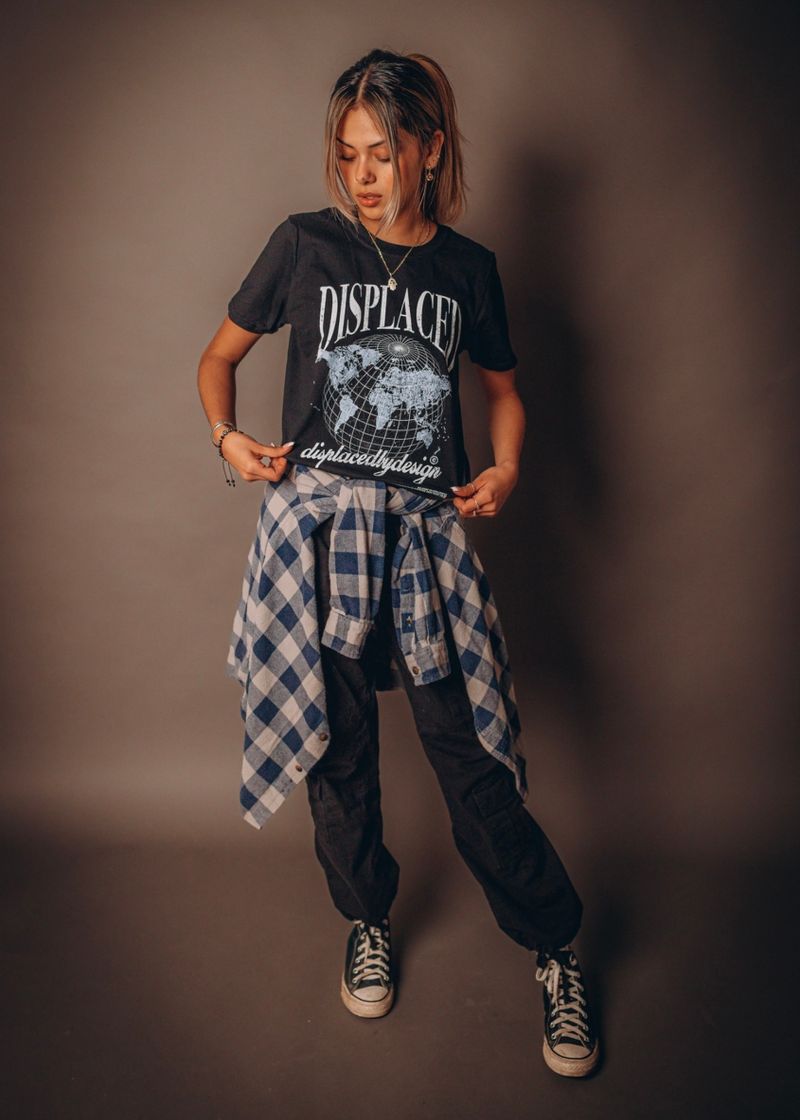
Palm Angels’ graphic language derives directly from skate culture visual traditions, elevated through Italian design sophistication that elevates each element beyond subcultural roots. The impactful sans-serif wordmark spelling “PALM ANGELS” has become one of contemporary fashion’s most widely familiar logos, similar in power to labels with decades more history. Graphic themes evoke Southern California iconography: palm trees, sunsets, flames, skulls, and spray-paint textures evoking both the beauty and rawness of Los Angeles street life. Unlike brands that simply throw logos on plain garments, Palm Angels weaves graphics into overall design composition, calculating placement, scale, and interaction with silhouette on the human body. The “Kill the Bear” teddy graphic emerged as an surprise cult symbol confirming the brand’s talent to generate lasting imagery fans chase across colorways and garment types. Typography also shows up as all-over print on certain pieces, producing dimensional patterns rather than traditional logo placement. This approach means pieces feel like living art rather than blatant advertising.
Silhouettes and Construction
The physical construction captures the brand’s dual heritage, blending easy streetwear proportions with engineering precision from Italian manufacturing. Oversized T-shirts and hoodies showcase dropped shoulders and extended hems delivering present-day silhouettes founded in how skaters have instinctively worn clothing for decades. Track pants and jackets introduce more structure through tapered legs, fitted cuffs, and carefully calibrated stripe placement producing slimming vertical lines. Outerwear demonstrates noteworthy construction with bombers, puffers, and leather pieces exhibiting immaculate internal finishing, meticulous topstitching, and hardware quality challenging brands at much higher price points. The trademark side-stripe—a contrasting stripe running the full length of legs or sleeves—serves design and structural purposes, graphically interrupting solid panels while supporting seam lines. Production in Italy and Portugal leverages factories expert in luxury manufacturing that offer attention to detail nearly impossible to reproduce elsewhere. This quality focus permits retail prices well above mainstream streetwear while holding affordable compared to traditional European luxury houses.
Cultural Influence and Celebrity Co-Sign
Palm Angels’ cultural impact stretches far beyond retail into music, sports, art, and social media, with genuine celebrity adoption amplifying brand awareness enormously. Regular wearers number Jay-Z, LeBron James, A$AP Rocky, Rihanna, Lewis Hamilton, and Hailey Bieber—a representative slice of modern cultural influence. Significantly, most appearances are natural rather than contractually obligated, contributing authenticity money is unable to buy. In music videos, Palm Angels has appeared across hip-hop, pop, and electronic genres, embedding brand identity into cultural artifacts amassing millions of views. The brand’s Instagram following exceeds 4 million by 2026, with product posts earning engagement considerably beyond fashion industry averages. Palm Angels also maintains skateboarding connections through sponsorships making certain the founding subculture continues profiting from commercial success. As Business of Fashion has reported, the brand exemplifies achieving aspirational status through cultural authenticity rather than traditional advertising—a model many labels endeavor to emulate.
The New Guards Group Era and Global Development
The 2019 acquisition by New Guards Group marked a pivotal operational turning point. New Guards, managing brands like Off-White and Heron Preston, delivered e-commerce infrastructure, global distribution, and expertise enabling Palm Angels to increase without standard independent-label growing pains. Retail presence broadened from roughly 150 doors to over 300, with flagship stores opening in Milan, London, and Miami. Integration into the Farfetch ecosystem following Farfetch’s New Guards acquisition delivered additional digital reach to millions of active users. Production capacity expanded while upholding Italian and Portuguese manufacturing standards—a scaling challenge requiring strategic factory management. Revenue growth has been impressive, with industry estimates suggesting compound annual rates exceeding 25 percent between 2019 and 2025. Operational backing frees Ragazzi to devote energy on creative direction, ensuring commercial scaling never weaken artistic vision—a balance the Palm Angels brand has sustained with considerable success.
Ahead: Palm Angels in 2026 and Beyond
Embarking on its second decade, Palm Angels faces the dilemma all successful labels face: expanding and maturing without losing foundational identity. The SS26 collection’s desert tones and deconstructed silhouettes suggest Ragazzi is moving toward a more refined aesthetic while maintaining core elements. Collaborations go on engaging new audiences, with the New Balance partnership and rumored automotive brand deal suggesting category expansion across lifestyle areas. Womenswear, which has grown dramatically since dedicated runway presentations began in 2023, stands as a substantial growth lever as the brand chases gender parity in its customer base. Sustainability makes its way into the conversation with organic cotton options and recycled material exploration—directions consumer sentiment and regulation will push forward. What persists constant is the essential tension giving Palm Angels artistic energy: the meeting of impulsive LA skateboarding spirit and exacting Italian craftsmanship tradition. As long as that tension keeps being dynamic, the brand has creative material to keep meaningful for decades to come.